

When the Department of Climate Change and Metrological Services issued a warning of an impending Cyclone Chido, a familiar tension settled over Kalinde Village in Phalombe District.
This fear that rippled through the communities emanated from reminiscences of the experiences of the previous years when floods could arrive unannounced, washing away homes, cutting off access to schools and hospitals, and turning simple journeys into life-threatening risks.
However, by the time Chido was making its landfall, Kalinde Village was ready and steady and suffered no devastating impacts as had been the case previously.
Thanks to the ECHO DRIMIIA anticipatory action project implemented by Malawi Red Cross Society (MRCS) with support from WFP and the Danish Red Cross, local groups had already mapped out solutions long before the storm clouds gathered.
One of such groups is 28-member Chitsanzo which had already put disaster preparedness at the centre of its plan.
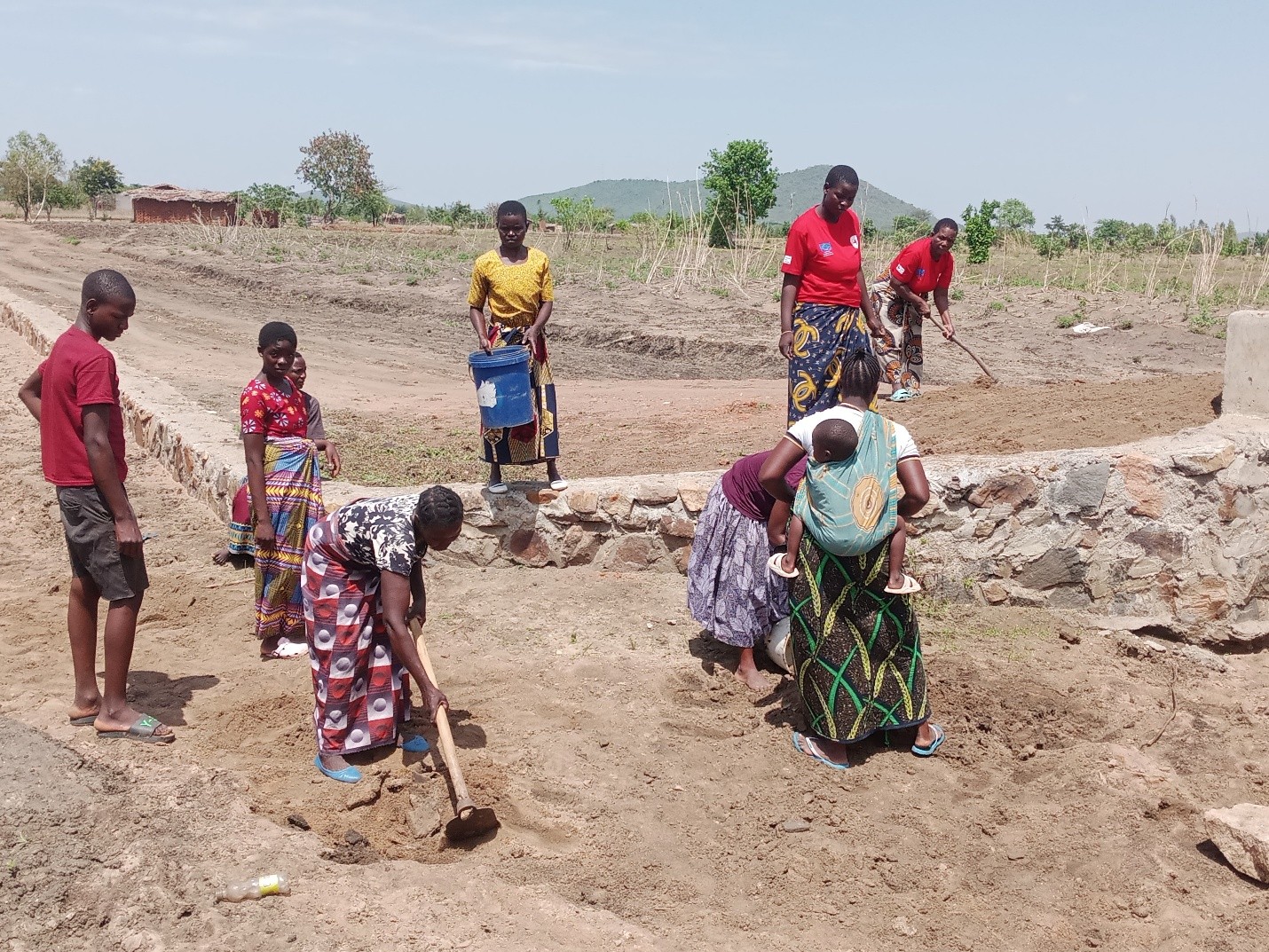
In anticipation for the cyclone and its subsequent aftermath, Chisanzo Group prepared its proposal for funding to carry out anticipatory work as per the DRIMIIA project design.
Chairperson, Lonny Supuni says funding was quickly released, amounting to K3.7 million, and later K 2.8 million, for communities to implement their anticipatory activities.
“We proposed to dredge clogged waterways, construct access road and safe crossing bridges in dangerous points such as at the New Ruo where three rivers converge,” Supuni says.
She says the decision was guided by compassion.
“We knew who suffered most whenever floods came: children, the elderly and especially persons with disabilities. So, we said: let’s build something that protects everyone before the disaster strikes.”
The New Road crossing had long been a nightmare. On one side sit schools, health centres, water points and farms. On the other, families who must cross the spot daily.
Communities in the area still have the sad memories of how a child was washed away by running water while trying to make the passage before the bridge was constructed.
“This project has given us back our dignity. Before, my child had to be carried across to access school. Sometimes we stayed home because it was too dangerous to cross when it has rained, but now we cross with ease,” says Mary Liyaya, a mother to a child with a disability.
For 12-year-old learners like Jessie Bandawe’s sister, the bridge means independence.
“She goes to Matawa Primary School. All these years she needed someone to escort her. Now she can move on her own without fear,” Bandawe says.
Others, like Getrude Chipembere, recall the emotional burden of risking the waters.
“I used to cross deep, rushing water with my child on my back,” she says. “Every rainy season felt like gambling with our lives but now it is safe and we are excited,” she says.
Anastancia Mangisi, Anticipatory Programme Manager at the Danish Red Cross expresses satisfaction with project’s recorded impact.
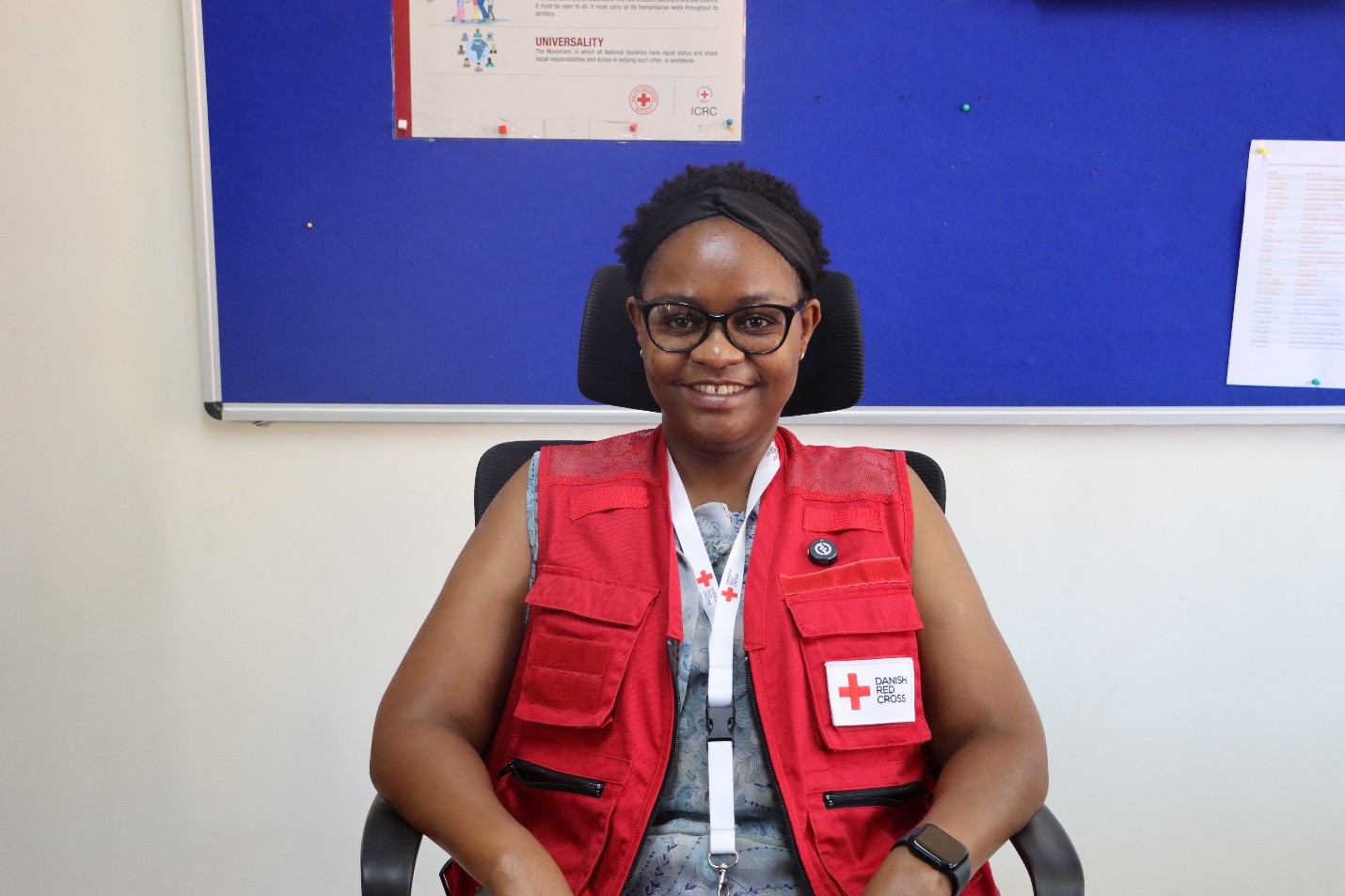
Mangisi says the community’s success lies in the project design in that it put the community at the centre of everything including proposal writing, activity inception, design and implementation.
“As Danish Red Cross, it is well documented in our strategy that one of the breakthroughs is effective disaster response as well as building resilience. And we get to that through enhancing community’s capacity to anticipate as well to respond and recover from different disasters. So this project aligns well with our strategic focus,” she says.
Adding: “it is critical to strengthen the capacity of communities to be able to anticipate and act well in advance because at the end of the day, we save lives, we save livelihoods. They say a dollar invested in anticipatory action will serve more than 7 dollars in humanitarian response.”
Drawing from the project’s successes, Mangisi says there is need to scale up the approach to other projects.
Phalombe’s Disaster Risk Management Officer, Florence Harawa, believes the project has transformed the district’s resilience landscape.
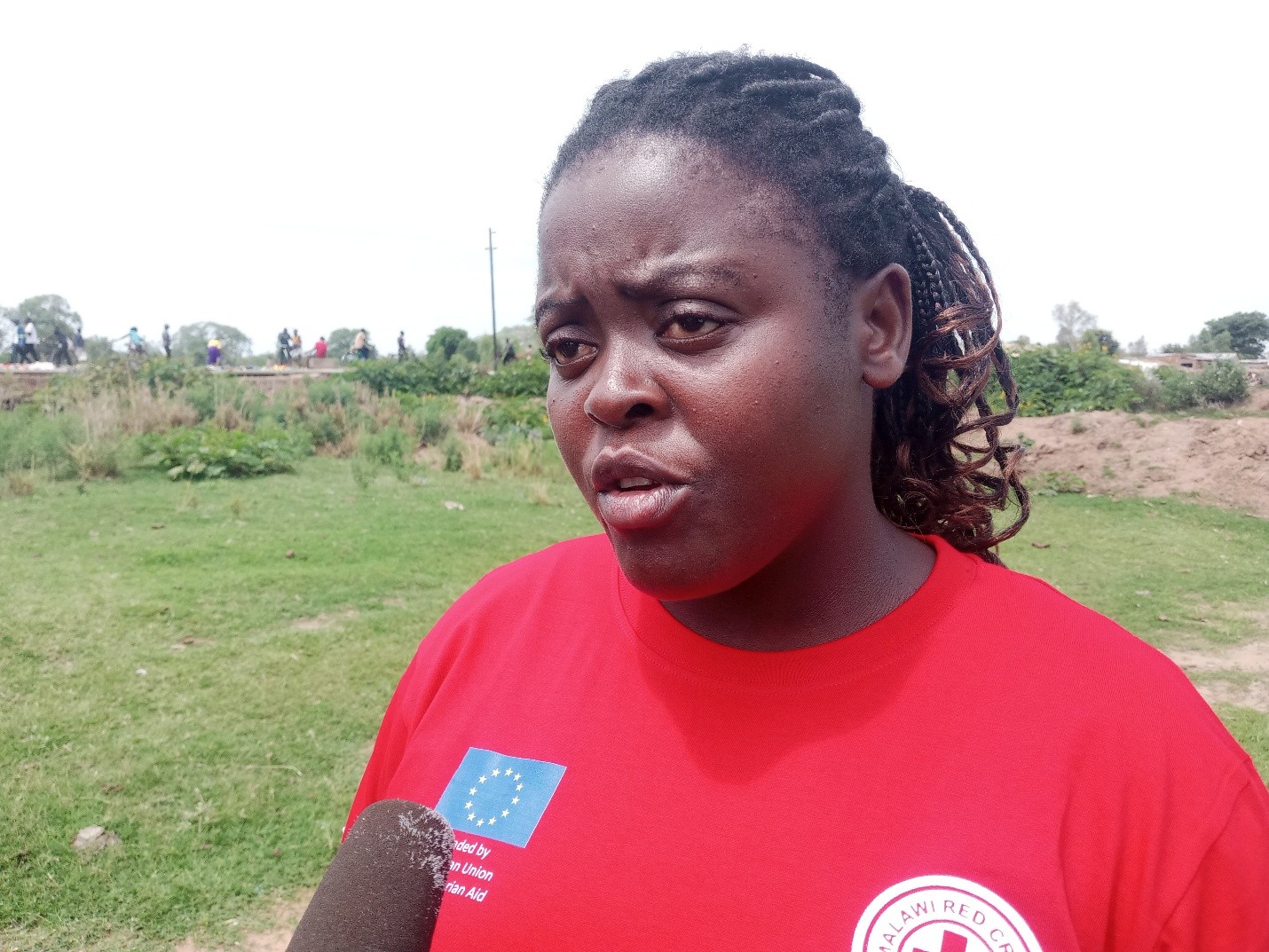
“In a place repeatedly battered by floods, this initiative has given vulnerable groups the protection they have long needed,” she says.
Now, after successfully taming the risk of flooding and its consequent impact, the people of Kalinde no longer watch the clouds with dread. Rather, they look ahead to the rainy season with hope.