

Malawi Red Cross Society (MRCS) with financial support from the International Federation of the Red Cross and Red Crescent Societies (IFRC) through the Disaster Response Emergency Fund (DREF) conducted an assessment exercise at Nyamithuthu Camp in Nsanje on Thursday to evaluate the urgent needs of Mozambican asylum seekers who remain in the camp after refusing repatriation due to security concerns. The assessment revealed dire living conditions, with food shortages and lack of essential supplies pushing the asylum seekers into a desperate struggle for survival.
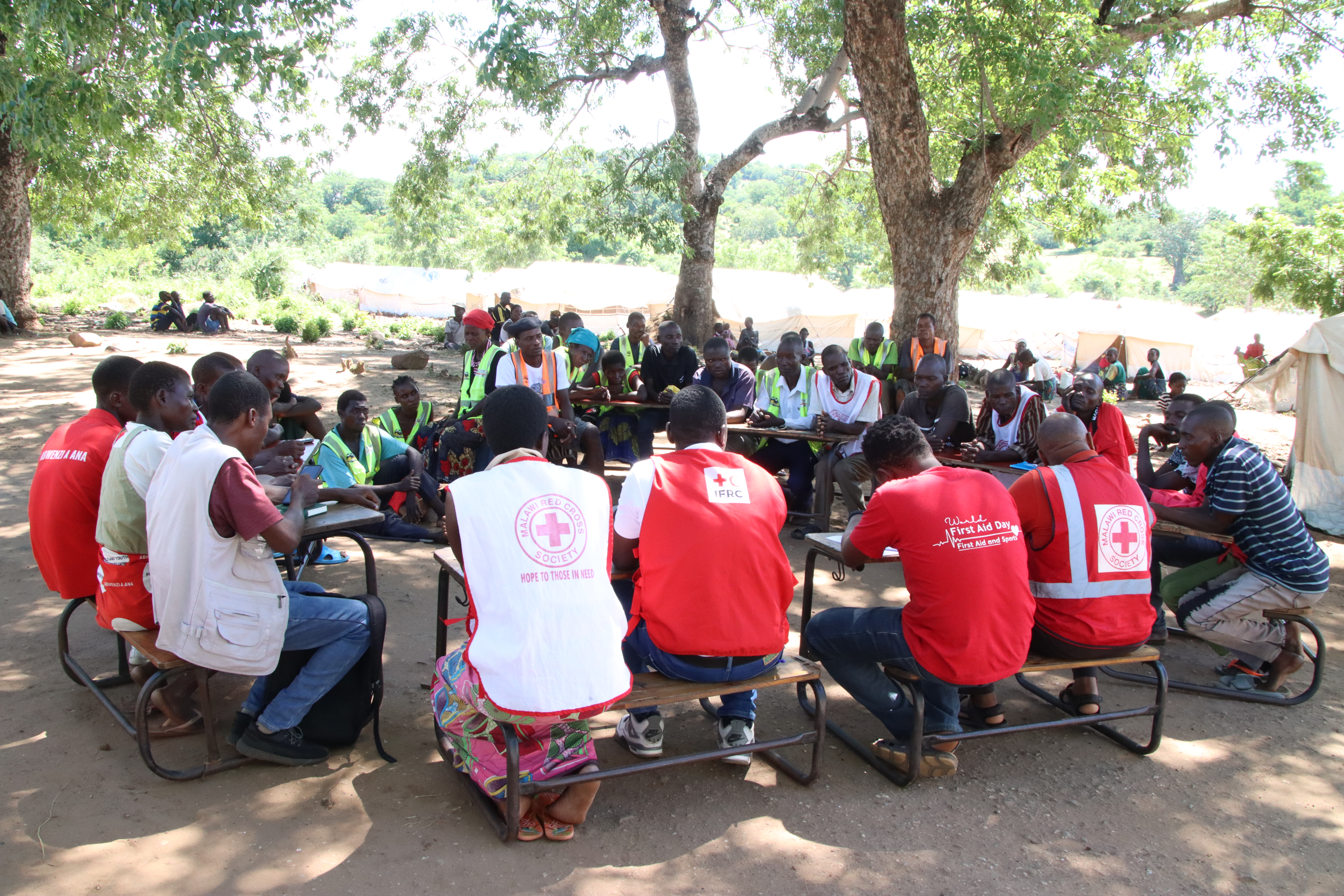
According to MRCS Resource Mobilization and Asylum Seekers Project Coordinator Roster Kufandiko, the assessment was crucial in establishing the actual number of asylum seekers still in the camp and identifying their most pressing needs.
“The Mozambican Government repatriated about 6,382 people in the past month. Now that many have left, we needed to reassess the situation to ensure the remaining individuals receive the necessary support,” Kufandiko said. “Our findings indicate a serious food shortage, and we are prioritizing food assistance, cash support for basic household needs, and the drilling of boreholes to improve access to clean water.” Added Kufandiko.
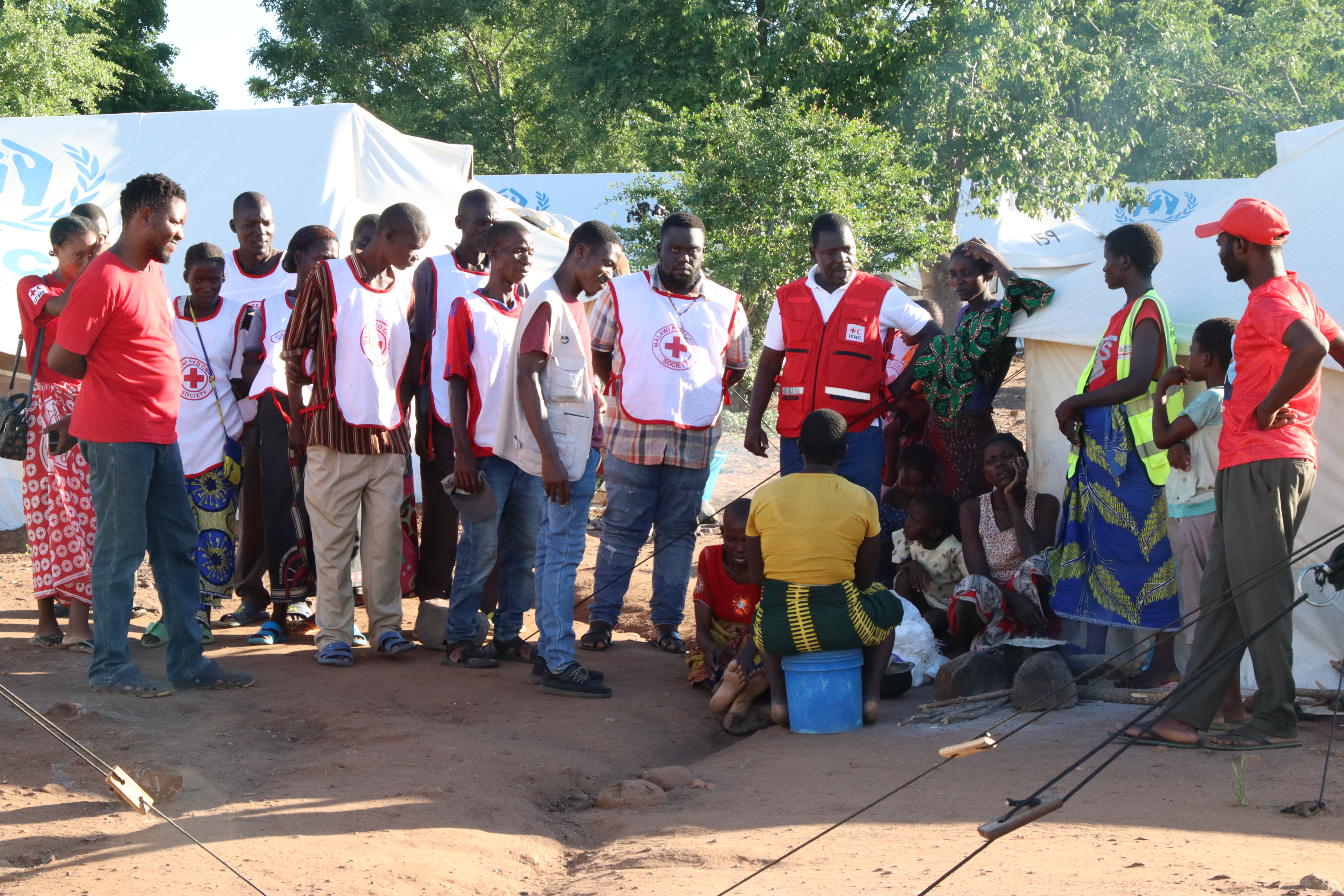
Many of the remaining asylum seekers are facing severe hunger. Lucia Dorichi, a 44-year-old mother of four, fled Mozambique after witnessing the murder of her neighbors and the destruction of her home. She has refused to return, fearing for her safety, but says life at the camp has become unbearable.
“We are struggling to find food. We have been surviving on wild fruits and okra,” Dorichi said. “We also lack proper bedding, kitchen utensils, and clothing. We need urgent help.” She said.
Joyce Boniface, another asylum seeker, shared similar concerns. Having lost her shop and all her belongings to the violence in Mozambique, she is now struggling to feed her three children at the camp.
“The well-wishers who were supporting us before the repatriation process have stopped providing assistance. We are now forced to barter what little we have for maize flour in nearby communities,” Boniface said.
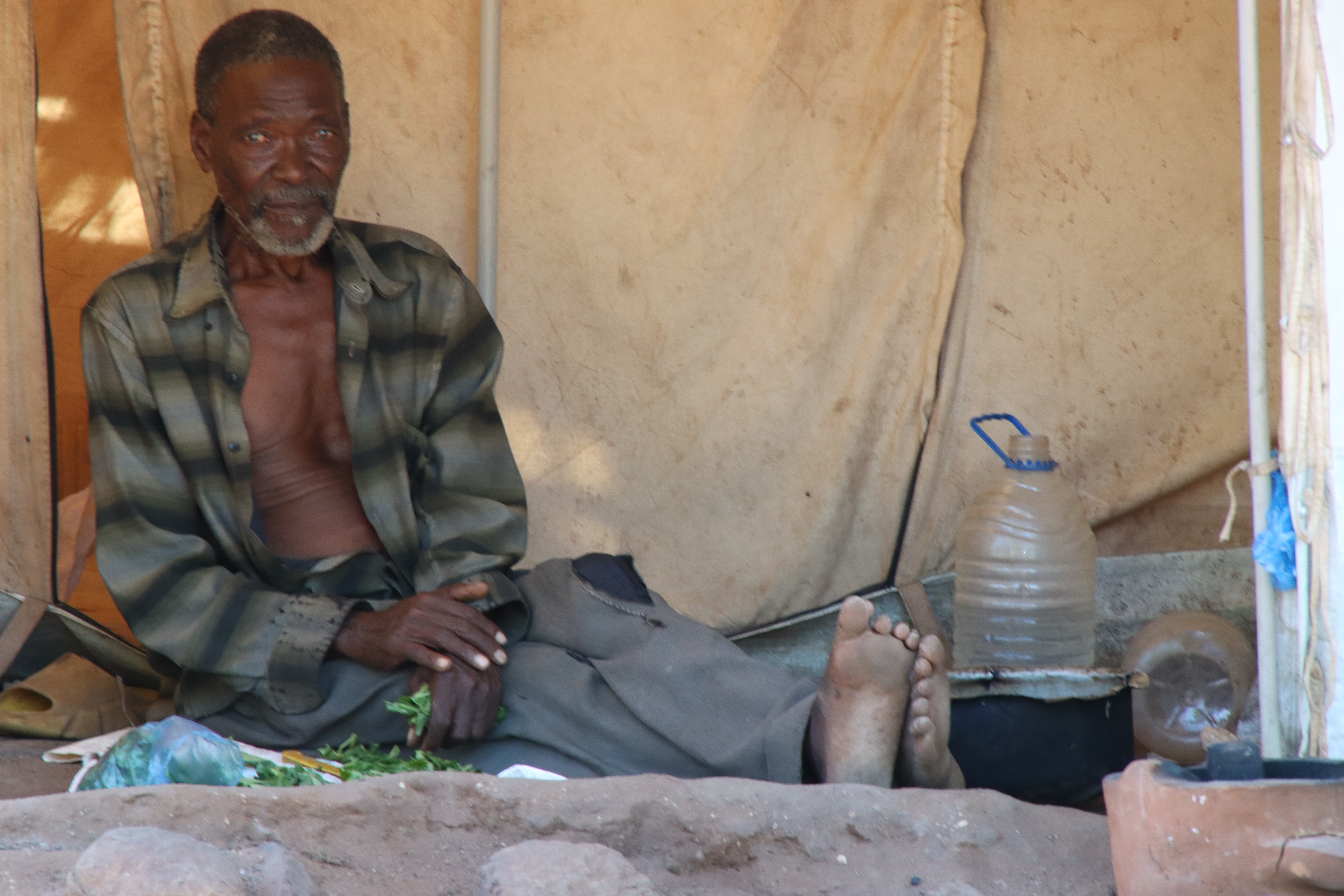
MRCS assessment also highlighted health risks due to food shortages. Iron Chamanika, a man living with HIV, revealed that he has gone three weeks without taking his antiretroviral (ART) drugs because he has no food to eat alongside the medication. “I know I need to take my medication, but how can I when I have nothing to eat?” he said.
Nyamithuthu Camp Manager Jass Daster confirmed the worsening conditions, stating, “Since the repatriation process in February, we have not received any additional support. The people here are suffering.”
Thoko Kapita, Assistant Refugee Support Officer at the Department of Refugees, acknowledged that Malawi government is struggling to sustain the remaining asylum seekers and is calling for additional aid.
“The government heavily relies on partners for support. Since the repatriation exercise, we have not received any relief supplies from our partners,” Kapita said. “We are appealing to well-wishers to help us sustain the asylum seekers before relocating them to Dzaleka Refugee Camp.”
According to Kapita, the camp initially hosted 3,898 households with 7,904 individuals. After the repatriation of 6,382 people, 671 individuals from 336 households remain, still in dire need of support.
Beyond food assistance, Kufandiko said the Red Cross is planning to distribute blankets, solar lights, and kitchen sets. However, the assessment exercise has faced challenges, particularly with Malawians pretending to be Mozambican asylum seekers to access aid.
“We have observed cases of Malawians attempting to register as asylum seekers. To ensure only legitimate asylum seekers receive support, we are working closely with camp managers, local leaders, and the Department of Refugees. We will also engage the Immigration Department and other state agencies in this process,” Kufandiko said.
As hunger and deprivation tighten their grip on Nyamithuthu Camp, the need for urgent humanitarian assistance is more pressing than ever. Without immediate action from the government and humanitarian agencies, the situation could escalate into a full-blown disaster.